Healthy Diet

Gymnema Sylvestre and Diabetes
Diabetes is a disease that affects metabolism. It is characterized by high blood sugar level brought about by inadequate insulin or the incorrect use of insulin or both.
Gymnema sylvetre from Africa, Australia, and Central and South India is a climbing woody shrub that is known in ancient times as “destroyer of sugar”. The leaves of Gymnena sylvestre contains a substance which known to inhibit the body’s ability to taste sweetness and ability to absorb sugar in the intestine. . Our ability to taste sweetness is said to stop or is affected upon chewing on the leaves of gymnena sylvestre.
Gymnema Sylvestre and Diabetes
Gymnena has been used to help lower blood sugar, lower LDL cholesterol, helps reduce amount of sugar absorbed by the intestines, stimulate insulin in the pancreas. It is used to treat liver disease, water retention and stomach problems. Its effectiveness is said to be due to its ability to increase insulin secretion which in turn helps lower blood sugar levels.
Although gymnema sylvestre is a herb that is normally safe to use and it appearing that there is no known drug interactions concerning gymnema, it is still very crucial to inform your doctor when and if you decide to use it to treat diabetes. Blood sugar level should be constantly monitored to prevent the possibility of lowering the sugar in dangerous level. It is not advisable for breast feeding women, pregnant and women who plans to get pregnant to use  gymnema. And to avoid possible complications of negative reactions, gymnema should not be taken two weeks before having surgery. when taking anti-diabetic medications like aspirin, monitor intake of gymnema because aspirin lowers blood sugar and my lead to hypoglycemia.
Treatment of diabetes involves control of blood glucose levels and preventing eventuality of complications. Diet will be altered to regulate intake of carbohydrate and other important nutrients. Medications will be used to control blood sugar and insulin injection or insulin pump will be also given. Regular exercise and other physical activities will also be recommended to improve health and reduce the risk of complications like heart disease.
Gymnema is used in the form of pill or tablets and may also be consumed in the form of leaf extract or powder. Adding this to your diabetic diet may help suppress sugar and carb cravings. This will help in controlling your blood sugar levels and aid in managing weight control by suppressing such cravings.
Taking supplements may help counter the side effects of other prescribed anti-diabetic drugs, it is still advisable to undergo a healthy dietary regime and daily exercise.
Gymnema Sylvestre and Diabetes





What is Blood Sugar?
Blood sugar is also known as blood glucose. It the main sugar found in the blood. Glucose is a simple sugar that is the primary source of energy and is important for the normal function of some tissues. Glucose is carried by your blood to all the cells in your body to use for energy. It is particularly needed by the normal function of the human brain. It is stored in the skeletal muscles and liver cells in the form of glycogen.
The body regulates blood sugar levels to maintain metabolic homeostasis. It is transported via the bloodstream to the other tissues in the body from the intestines or liver. Glucose in the cell tissues is regulated by a hormone produced by the pancreas called insulin.
Effects of High and Low Blood Glucose Level
- Hyperglycemia. When glucose levels are higher than normal, it causes inflammation in the blood vessels and nerves and causes diabetes. The normal function of insulin in keeping sugar in normal range is damaged when you have diabetes.
- Hypoglycemia. Low blood sugar level also causes potential health problem. It can cause dizziness, confusion or fainting.
Normal Blood Sugar Levels
- Fasting. Under the official ADA recommendation, the normal level for a person without diabetes is 70-99 mg/dl (3.9-5.5 mmol/L). Person with diabetes is 80-130 mg/dl (4.4-7.2 mmol/L)

- 2 Hours after meals. Normal for person without diabetes is Less than 140 mg/dl (7.8 mmol/L) and the official ADA recommendation for someone with diabetes is Less than 10 mg/dl (10.0 mmol/L)
Blood sugar level is usually lowest in the morning and before the first meal in a day. It rises in an hour or two after taking your meals. Blood sugar levels beyond the normal range indicates medical condition.
Having too much glucose in your blood may result to serious problems. Too high blood sugar levels results to diabetes. But even person without diabetes may have serious problems when their blood sugar levels are too high or too low. Regular exercise, maintaining a regular schedule of eating and taking the recommended medicine may help regulate your blood sugar.


High Fructose Corn Syrup and Diabetes
Type II diabetes is a rising global epidemic that has been linked to extremely high healthcare costs.
A study by researchers from University of Oxford and USC revealed that the condition has been boosted by large amounts of HFCS (high fructose corn syrup) found in food supplies around the world.
The study, which was published in Global Public Health, suggested that countries with HFCS content in their food supply were 20 percent more likely to have a diabetes epidemic than those without it.
Furthermore, the study indicated that the significantly increased prevalence of diabetes associated with the HFCS did not depend on whether the patient had obesity or high sugar intake.
HFCS – A Serious Health Risk
According to Michael Goran – who is the principal study author and director of the Childhood Obesity Research, professor of preventive medicine, and co-director of the Diabetes & Obesity Research Institute at USC’s Keck School of Medicine – HFCS seems to pose a serious public health threat on a global scale.
The study is one of the many scientific literatures that linked HFCS consumption with negative health implications separate from and more harmful than natural sugar.
There were 42 countries involved in the study, and the United States was found to contain the highest per-capita consumption of high fructose corn syrup at 55 pounds (or 25 kilograms) per year.
 Hungary followed at a close second, with an annual rate of 47 pounds (16 kilograms) per capita. Some of the other countries found guilty of high HFCS consumption include Slovakia, Mexico, Korea, Japan, Canada, Bulgaria, Belgium, and Argentina.
Countries that were on the lower end of HFCS consumption include Serbia, Portugal, Poland, Greece, Germany, Finland, and Egypt. Some countries such as Uruguay, the UK, Sweden, Italy, Ireland, India, France, Denmark, China, and Australia had a rate of less than 0.5kg per year.
Generally, countries with a relatively high number of HFCS consumers were found to have an average prevalence of type II diabetes of 8%, while those with fewer users had 6.7 percent.
Stanley Ulijaszek – the study co-author and director of the Institute of Social & Cultural Anthropology at the University of Oxford – concluded that increased use of HFCS and the rise of Type II diabetes were directly related.
This relationship is probably aided by higher fructose levels in foods and beverages prepared with HFCS. While both glucose and fructose occur in ordinary sugar in equal amounts, HFCS boasts a higher concentration of fructose.
This subsequently makes HFCS sweeter and provides greater stability and better appearance to processed foods, particularly because foods made with a lot of fructose tend to have more consistent browning when baked.
High Fructose in Soft Drinks
In another related study, the fructose content in certain U.S.-based soft drinks, mainly the most popular ones, was found to be approximately 20% higher than expected.
This basically means that some manufacturers might be adding more fructose than was previously thought. The researchers stated that these differences might be contributing to high fructose consumption in countries that use HFCS.
However, since the industry does not disclose HFCS content on food levels, the study noted that it is difficult to determine the actual fructose content in foods and beverages.
Fructose Metabolized Differently
Substantial research has shown that fructose is metabolized differently from glucose in the body.
For starters, insulin is not involved in fructose metabolism, which takes place mostly in the liver so that it can be converted into fat. This process has been linked to nonalcoholic fatty liver disease, one of the rising conditions among Hispanics in Mexico and the United States.
 According to Ulijaszek, sweet foods are in high demand amongst most populations, but unfortunately some people are consuming significantly more fructose from HFCS than the human metabolism is capable of processing.
This syrup is available in many processed foods and drinks, but the exact content varies tremendously from country to country.
The U.S. is the largest consumer of HFCS. In fact, HFCS was the predominant sweetener in soft drinks in the country by the late ‘90s, and it accounted for about 40% of all caloric sweeteners.
However, since trade restrictions were lifted in 2008, HFCS exports from the U.S. to Mexico rose “exponentially”.
The researchers have recommended public health strategies that call for better labeling of HFCS and fructose content in processed foods.
To highlight the different levels of HFCS consumption in the European Union, the researchers stated that quotas for high fructose corn syrup production were set by trade & agricultural policies.
Some countries like the U.K. and Sweden do not claim their assigned quotas, but other countries like Slovakia and Hungary can purchase additional quotas from the disinterested countries.
As such, the findings of the study have serious implications on international trade policies that may have an impact on public health.
Tim Lobstein – the director of the International Association for the Study of Obesity – said that if HFCS consumption is a risk factor for diabetes, which is one of the most chronic diseases in the world, then it is important to reevaluate agricultural trade policies and change national dietary guidelines.
He also added that HFCS would be one of the ingredients to avoid, like salt and trans fats, and foods should come with warning labels.


Can Diabetics Drink Beer?
If you, or someone you care about, is diabetic there are likely many foods you question as to what impact they have on glucose levels. One thing you may not have considered is: can diabetics drink beer?
Many times the food diabetics eat is questioned and scrutinized, but the things they drink aren’t given a second thought. Do you find this is true for you?
If so read on and we will answer the question of can diabetics drink beer?
In short, the answer is yes. Each person is different but more than likely if your diabetes is under control, you can eat or drink most things in moderation.
However, with the question of can diabetics drink beer there is probably a different question you are really asking. Should diabetics drink beer?
Armed with a little information you will be able to determine this for yourself and your situation.
The big question, as always, is: how many carbs are in beer?
It varies from brand to brand and it’s not like you can just check the label and find the carb count of your favorite beer. Fortunately, there are tables online that show the carb counts of many beers.
Choose several and compare them to improve your chances of correct information.
To give you an idea: Busch Light has 3.2 grams of carbs per 12oz serving and I.C. Light has 2.8 grams, while Guinness has 14 grams of carbs and Kilarney’s has a whopping 22.8 grams.
So why the vast difference in carb counts among beers?
The fermentation process metabolizes the sugar in beer. The way the beer is crafted determines how much sugar is metabolized out through fermentation. So not all beers are created equal.
You must keep in mind, while consuming beer as a diabetic that while one or two beers may cause a rise in blood sugar excess amount of beer can actually cause your blood sugar to drop to dangerous levels.
So can diabetics drink beer? You and your doctor are the only ones that can answer that question for you. In combination with proper medication, a low-carb diet and exercise, the occasional beer is probably just fine. However, take into account the carb count and the effect that the amount of beer will have on your blood sugar. All things in moderation.


Fructose Metabolism
Sugar and Spice, Not so Nice – The Valley Patriot
The Valley PatriotSugar and Spice, Not so NiceThe Valley Patriot –
As Def Leppard once said back in the 1980s, Pour Some Sugar on Me.
But that’s about all I would do with sugar now, because I refuse to eat it.
The average American consumes approximately 152 pounds of sugar a year, roughly 22 teaspoonfuls a day (which is about 355 calories).
Did you know according to the American Heart Association, the recommended amount of sugar is between six and nine teaspoons of sugar a day? When trying to avoid added sugars, watch for ingredients like raw sugar, high-fructose corn syrup, sucrose, and molasses. Added sugars are the worst ingredient in our diet, it has no nutritional value and can have harmful effects on your metabolism and of course can contribute to weight gain and other diseases.
Sugar is one of the leading contributors to obesity and people that consume more sugar are more likely to be overweight or obese. For a lot of people (me included) sugar and junk foods can become an addiction just like abusing drugs or alcohol. The more cookies, candy and donuts I ate, the more I wanted…, it was my happy place or so I thought. Sugar releases dopamine, the feel good chemical in the brain and there have been studies that suggest dopamine plays a role in impulse control and addiction. So when I’m on a diet and I hear someone say you can have anything you want “in moderation”, I know it just doesn’t work for people like me who are addicted to sweets because the only thing that I know will work is complete abstinence.
Right now there is an epidemic in America known as type 2 diabetes. It currently has afflicted about 27 million people, and another 86 million people have been diagnosed with pre diabetes. I was diagnosed with pre diabetes back in January 2015, I was very unhealthy and eating the wrong types of foods. I was addicted to sugary sport and energy drinks and getting little to no exercise. They say there is no cure for type 2 diabetes but I was able to reverse the diagnosed pre diabetes and I was taken off my medication by staying away from sweets and sugary drinks, following a program consisting of a protein based, nutrient dense diet with moderate exercise.

Fructose powers a vicious circle — ScienceDaily
‘… But there’s a downside: the liver converts fructose…
Fructose powers a vicious circle — ScienceDaily’… But there’s a downside: the liver converts fructose very efficiently into fat. People who consume too much high-fructose food can in time become overweight and develop high blood pressure, dyslipidaemia with fatty liver and insulin resistance — symptoms that doctors group together under the name metabolic syndrome.Unchecked  growth of the heart muscleA new paper by Krek and his team member Peter Mirtschink describes a further, more troubling side effect of fructose. The researchers have discovered a previously unknown molecular mechanism that points to fructose as a key driver of uncontrolled growth of the heart muscle, a condition that can lead to fatal heart failure. Their study was recently published in Nature.
Fructose is a major component of dietary sugar and its overconsumption exacerbates key pathological features of metabolic syndrome. The central fructose-metabolising enzyme is ketohexokinase (KHK), which exists in two isoforms: KHK-A and KHK-C, generated through mutually exclusive alternative splicing of KHK pre-mRNAs. KHK-C displays superior affinity for fructose compared with KHK-A and is produced primarily in the liver, thus restricting fructose metabolism almost exclusively to this organ. Here we show that myocardial hypoxia actuates fructose metabolism in human and mouse models of pathological cardiac hypertrophy through hypoxia-inducible factor 1α (HIF1α) activation of SF3B1 and SF3B1-mediated splice switching of KHK-A to KHK-C. Heart-specific depletion of SF3B1 or genetic ablation of Khk, but not Khk-A alone, in mice, suppresses pathological stress-induced fructose metabolism, growth and contractile dysfunction, thus defining signalling components and molecular underpinnings of a fructose metabolism regulatory system crucial for pathological growth….’http://www.nature.com/nature/journal/vaop/ncurrent/full/nature14508.html


Blood Sugar Levels After Eating
Blood Sugar Levels After Eating in 4 Different Circumstances | New …
Blood sugar level simply means the concentration of a simple sugar (glucose) in certain amount of blood.
In the United States, it is measured in mg/dl or milligrams per deciliter. Glucose concentration in the body fluctuates the whole day. Actually, there can be significant variations from minute to minute.
Blood sugar levels after eating normally skyrocket and exercising will normally drop the levels. Doctors are interested in fasting glucose, glucose levels after eating, which is at times tested.
trouble with blood sugar after eating – Diabetes Daily
normal blood sugar levels after eating. By shinko in forum Pre-Diabetes. Replies: 10. Last Post: 1/26/09, 06:30 AM …


Drinks for Diabetics
Living with dia betes certainly is not an easy task. Properly managing your diet, exercise, and medicine is a delicate balance.
It takes knowledge, a tremendous amount of work, patience, and even a bit of experimentation in order to get it correct.
That being said, fluid consumption is an often times overlooked aspect that every diabetic should pay careful attention towards.
However, choosing the best drink is not always as easy as it sounds.
Some recent studies have added even more confusion to the already cloudy issue.
For example, is coffee helpful or harmful? Will diet soda lead to weight gain?
In order to clarify these types of questions we have conducted a plethora of research, and interviewed several certified diabetes dieticians and diabetes educators.
The following information will help you to make better decisions regarding the drinks that you put in your body each and every day.
Daily Water Consumption 
Water is truly the best thirst quencher known to humankind.
The good news for diabetics is that consuming more water may actually contribute to better overall glucose or blood sugar control.
In a recent study published in the Diabetes Care Journal researchers found that patients who drank less than the eight recommended glasses of water per day were upwards of thirty-percent more likely to suffer from high blood sugar levels.
Daily Milk Consumption
Milk is healthy for the human body. It provides essential vitamins and minerals that your needs such as calcium, magnesium, potassium, and vitamin D.
Research also shows that milk may actually lead to weight loss. In fact as little as twelve-ounces per day may assist people in losing those unwanted pounds.
However, milk does contain carbohydrates, which are broken down as sugar in the body.
Diabetics should consume anywhere from two to three servings of low fat, or no fat milk per day.
Tea Consumption
Tea certainly contains a lot of bang for your caloric buck. It contains zero calories, is flavorful, and is full of valuable antioxidants that help your body.
In fact a recent study conducted in China proved that black tea contains a natural chemical called polysaccharides that actually slow the absorption of sugar into the blood stream.
Tea has also been proven to reduce the risk of both heart disease and stroke, which unfortunately are side effects of diabetes.
However, it is important to avoid adding sugar to your cup of tea, or purchasing sugar sweetened ice tea.
 Coffee Consumption
Coffee is an interesting drink regarding diabetes. Some research shows that it actually slows down the metabolism of sugar in the blood stream, while other researchers believe that it raises blood sugar.
This conflicting advice can certainly be confusing to diabetics or people who are susceptible to the disease.
Your safest bet is to keep coffee consumption down to a maximum of one to two cups per day.
If you find that it is negatively affecting your blood sugar levels than obviously try to minimize consumption or cut it out of your diet altogether.
Diet Soda Consumption
For many diabetics diet soda is a caloric free way to drink something that is fizzy, sweet and tasty.
A recent study suggests that sugar free soda keeps a person’s taste buds primed for sweet treats. In essence by drinking diet soda you may actually end up eating more cakes, candy, cookies, and ice cream to name a few.
However, if you are able to control your diet, it certainly is better for diabetics to drink the sugar free version rather than the sugar version of soda.
Much like anything else, keeping diet soda consumption at reasonable levels is a smart idea.
Sugar Soda, and Sugary Fruit Flavored Drink Consumption
Did you know that there are approximately ten teaspoons of sugar in every twelve-ounce bottle or can of sugar soda and sugary fruit flavored drinks?
Only one serving per day adds forty to fifty grams of carbohydrates to your diet, not to mention upwards of 150 calories.
In essence drinks that contain processes sugar can contribute to heart disease, high blood pressure, stroke, and weight gain to name a few.
In fact, healthy people that drink sugar sodas and sugary fruit flavored drinks on a regular basis gain up to fifteen pounds per year on average.
Not to mention that all that sugar is absolutely damaging to diabetics.
It is recommended that diabetics only drink these type of drinks in extremely rare occasions, or when suffering from low blood sugar.
Fruit Juice Consumption
Fruit is certainly a healthy alternative to sugary snacks, desserts, and drinks that are full of blood glucose raising carbohydrates.
However, consuming fruit juice can absolutely lead to higher blood sugar levels, and an increased risk for people that are prone to type 2 diabetes.
It is highly advised to keep fruit juice consumption to a minimum, and drink only smaller four-ounce servings.
 Conclusion
In conclusion, it is of the utmost importance that people with diabetes or that are susceptible to the disease are fully aware of each and every item that they put into their bodies.
The drinks that you drink everyday are just as important as the food that you eat. It is highly advised to drink a minimum of the daily-recommended amount of eight cups of water per day.
If you need a caffeine based drink tea is better for you than coffee.
Drink fruit juice less often and in smaller amounts.
Keep your intake of sugar free soda to a minimum, and try your best to stay away from sugar based soda and sugary fruit flavored drinks.
If you follow this advice chances are your diabetes will be in far better control.


Benefits of Flavonoids
Most fruits and vegetables contain flavonoids which are a group of phytonutrients. More than 600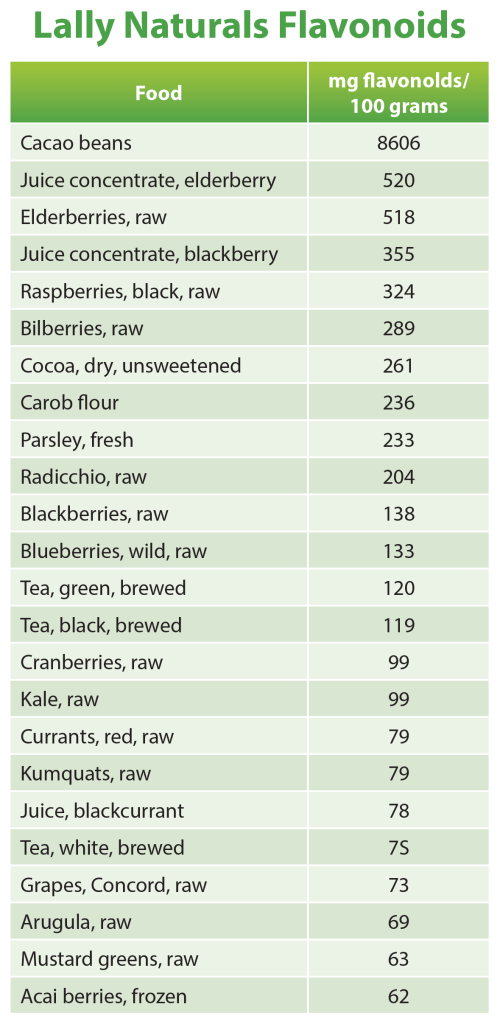 0 different flavonoids each play a role in your health.
Antioxidant and Anti-inflammatory
Their antioxidant and anti-inflammatory properties are the most well known health benefits of flavonoids. They have also been found to lower the risk of many chronic disorders and to detoxify the body.
The powerful bioactive compounds of flavonoids seem to improve many conditions. For example, researchers have found that women with the lowest levels of inflammation and insulin resistance, also had the highest intake of flavonoid anthocyanins and flavones.
Aedin Cassidy, Ph.D., a study author from the Norwich Medical School of the University of East Anglia, informed Reuters:
” Our population-based studies showed that higher regular intake of flavonoid anthocyanins which provide the red/blue color of berries and other fruits and vegetables, improve the handling of glucose and insulin, and therefore reduce inflammation which is a risk factor for diabetes and heart disease.”
Cassidy also said the study revealed that better control of blood sugar levels and blood pressure could be obtained by just one daily serving of flavonoid-rich berries.
Also, a systematic review of 14 studies published in the British Journal of Nutrition found that intake of all 6 classes of flavonoids, which are flavones, flavonols, flavanones, anthocyanidins, proanthocyanidins and flavan-3-ols, all decrease heart disease risk.
All plant foods, such as flavonoids are by far our major source of health-supporting phytonutrients. Fruits and vegetables have been studied and analyzed the most for their flavonoid content.
Flavonoid data on grains, beans and legumes, nuts and seeds, and certain other foods and beverages has also been collected.
References:
World’s Healthiest Foods, Flavonoids
The Journal of Nutrition January 20, 2014
Reuters January 29, 2014


Spicing Up Low Fat Meals
Healthy foods have been known to have a bit of a bland taste to them and that is because we have so many foods with additives in them. This means when you are offered the choice of having something without a lot of flavor, as opposed to something with lots of flavor, most people will choose to have flavor and plenty of it.
If only the taste of healthy foods were more appealing then maybe everyone would pick to eat healthier, more often. Some people might think there is no hope but the solution is very simple and is located in most of our kitchens. The solution is adding herbs and spices to help change the taste of the food.
Herbs and spices can take bland food and make it a very enjoyable dish and there has even been research to prove that it can help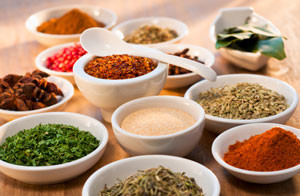 consumers eat less. Herbs and spices have zero calories and this means you won’t overeat in the calorie department.
Spicy foods in general have been said to fill you up faster and cause you to eat less than you normally would. So, that means you can eat tastier healthy foods, without any extra calories, and can possibly lose weight from eating less of it. That sounds like a win to me!
So, you are probably wondering how to go about adding herbs and spices to your healthy foods. It is actually based on taste preference. Some flavor combinations will be a hit or a miss, depending on the individual so it is wise to play around with them and see just what tastes good to you.
Here are some examples to get you started:
- Give those plain veggies a new attitude with some lemon juice, pepper, garlic, and some rosemary
- Make that turkey burger taste like a beef burger by adding some pasta sauce, garlic, basil, and oregano
- If you are making chili and you need some more kick, add chili powder, garlic, oregano, paprika, and thyme
- Start you day with a smile by adding some cinnamon and some vanilla extract to your oatmeal
- If you are eating carrots, sweet potatoes, or squash, try adding some cinnamon, ginger, and olive oil
Keep in mind that these combinations don’t have to be tried all at once. Maybe one spice or herb will be just enough for you at a time but the key is to have fun with it and in the process, your body will be getting the nutrients it needs.
And remember, some spices such as cinnamon also lower blood glucose levels as well.


Benefits of Whole Grains
While many people think whole grain bread has many health benefits researchers have found information that this bread is actually harmful. Whole grains may increase a person’s risk for developing type 2 diabetes, and put a person at an increased risk for heart disease and a stroke.
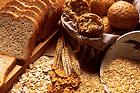 These grains are not able to keep a person feeling full for too long.
While many packages say that they contain whole grains they may also contain refined flour and added sugar. They are not the best choice for good health.
Do not allow yourself to be fooled by the food manufactures. Before making a purchase be sure to read the list on ingredients’ on the package. If they contain the following ingredients it is in your best interest not to purchase it:
- Enriched wheat flour
- Wheat
- Durhum wheat
- Semolina
- Oat flour
- Rice
Below are some health ingredients to look for: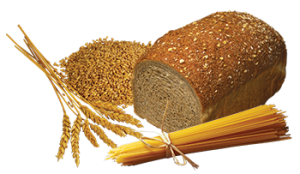
- Whole or rolled oats
- Stone ground whole wheat
- Bulgar
- Whole grain brown rice
- Whole grain corn
- Quinoa
These products are more likely to contain whole grains.
To be 100% positive that the product contains while grain check for the 100% whole grain stamp. This means the product was made with whole grains.