Diabetes Prevention
What Causes Type 2 Diabetes?
Type 2 Diabetes is the most common type of Diabetes that is characterized by an individual’s body not properly using insulin as it should; as a result of this, the body is unable to compensate by producing enough insulin to replace the amount being used by the body. Type 2 Diabetes develops in individuals of all ages, but is often found in middle-aged and older individuals who are either overweight or obese.
What Causes Type 2 Diabetes?
Genetic Predisposition
When in person is born, they are passed on genes, or combinations of genes, from their biological mother or father. These genes can either increase or decrease ones likelihood of developing this type of Diabetes. It has been found, through research, that certain ethnicities are more likely to develop Diabetes; these ethnicities include African Americans, Hispanics, Alaska Natives,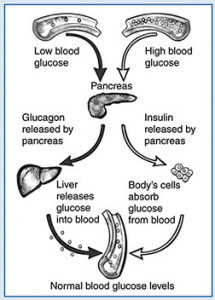 and more. It has also been discovered that there is a higher rate of Type 2 Diabetes in families and identical twins.
Studies have also determined gene variants increase the likelihood of developing this disease. Although the research is not fully complete and many gene variants are still unknown, scientists do know that genes have the ability of affecting insulin production in ones body. They also know that these genes do not affect insulin resistance.
One of the gene variants scientists have discovered that increase one’s likelihood of getting Type 2 Diabetes is the variant of the TCF7L gene. For those who have these gene variants, there is an 80% higher chance of developing the disease than those who do not carry the genes. Even though their risk is so high, there are things these people can do in order to delay the disease such as dieting, working out, and losing weight.
Another role that genes play in developing Diabetes is making one more likely or susceptible of becoming obese or overweight. There is a “Thrifty Gene” theory that states certain genes in one’s body increase metabolism which results in the body extracting energy from the food one eats and using it as energy in the future. Although this may be a good situation if you’re scarce or deprived of food, it is not an ideal situation for those who intake many high-calorie foods because it can lead to obesity, and in the end, Diabetes.
Obesity & Inactivity
 As stated above, obesity and being physically unfit is one of the main causes of Type 2 Diabetes. When someone continuously puts a lot of calories in their body, through the foods they eat, but does not do enough physical activity to burn those calories, a insulin resistance is created. Since insulin resistance is present in those with Type Two Diabetes; a person is more likely to develop it. Central obesity, which is defined as obesity associated with excess abdominal fat, puts one at risk of developing insulin resistance, diabetes, and heart and blood vessel disease. This negative affects to the body are caused the hormones that the excess fat on the stomach produce.
Studies have shown that those who are at risk due to this factor can decrease the risk by changing their lifestyle when it comes to food choices and physical activity routines. It has been proven that, by losing weight, regularly exercising, and eating a low-fat and low-calorie diet, can lower one’s risk significantly.
Insulin Resistance/Metabolic Syndrome
As stated above, those who are overweight or lacking physical activity can develop an insulin resistance, which increases the risk of developing Type 2 Diabetes. This is known as metabolic syndrome and is defined as a group of conditions that include high blood glucose levels, excess abdominal fat, high blood pressure, and abnormal levels of cholesterol and triglycerides in the blood.
When your muscles, liver, and fat stop responding to insulin effectively, the pancreas is pressured to produce extra insulin to compensate for the amount used. This can lead to Diabetes because if the beta cells in the body are not working properly, glucose in the blood stream rises. In order to reverse this syndrome, individuals can make some life changes such as getting more physical activity, eating healthy, and losing weight. These actions improve how the body responds to the levels of insulin.
Abnormal Glucose Production by the Liver
In some cases, individuals who have Diabetes have livers that produce an unhealthy amount of glucose. The way this works is through a hormones called glucagon that are released by the pancreas; this hormone stimulates the liver and produces the glucose that eventually finds its way into our blood steam.
Glucagon is typically released into the body with glucose and insulin levels are low, but after one eats, their levels are low which results in glucagon levels dropping and the liver storing additional glucose for when it is required.
Those who have Diabetes’ bodies are unable to lower their level of glucagon after a meal, which means their levels are higher than they should be; the liver then produces glucose that is not needed and the level of glucose in the blood is too high. As we know, increased glucose levels in the blood can contribute to Diabetes.

The Roles of Insulin and Glucagon in Normal Blood Glucose Regulation
One who is healthy is able to maintain their glucose levels by a variety of means. Insulin and glucagon work together to regulate these levels of glucose in the blood; insulin that is made by beta cells lowers glucose levels, and glucagon does the opposite.
The role that insulin and glucagon in normal glucose regulation may be confusing to some, but here is the breakdown of how it all works. Insulin helps our bodies absorb glucose from our blood, which results in lower levels of glucose; it also stimulate our livers and muscle tissue that store excess glucose.
Insulin lowers our blood glucose levels by reducing the amount that our livers produce; when we have low level of glucose, our pancreas releases glucagon and signals our liver and muscle tissues to break it down and turn it to glucose. This results in an increased level of glucose.
Cell Signaling and Regulation
The cells in our bodies connect with each other through molecular signaling pathways. One of the relative ways cells signal each  other in terms of diabetes is our insulin receptors capturing insulin molecules that are in our blood stream. When this communication is done, insulin and its receptor enable the cells in our bodies to absorb glucose and use or store it for energy. The issue will this signaling system is that some of the signals that are communicated, through the insulin signal cells, lead to inflammation and insulin resistance.
Beta Cell Dysfunction
Another factor that causes Diabetes is beta cell dysfunction; this dysfunction results in abnormal amounts of insulin in the body. Scientists have been working to find the causes of this dysfunction, but in most cases, it has not been found. What they have found, though, is a gene, that regulates insulin in beta cells. This can lead to diabetes in the young, but it is rare. Although rare, it gives insight as to how beta cell dysfunction may be caused.
Risk Factors Associated with Developing Type 2 Diabetes
There are a variety of risk factors associated with developing Type 2 Diabetes. Some of these risk factors include:
- 45 or older
- Overweight
- Family members who are diagnosed with the disease
- Certain ethnicities such as the one stated in the article above
- High blood pressure
- Physically inactive and unfit
These are just a few of the risk factors associated with Type 2 Diabetes. Others include giving birth to a child who weighs above 9 pounds, certain levels of cholesterol or triglyceride, polycystic ovary syndrome, and pre diabetes.




Early Signs of Diabetes
Diabetes is one of the sneakiest diseases of our time. 1 in 3 people with type 2 diabetes is unaware of having it and may unwillingly ignore thy symptoms for as long as months or even years. And, even if people do notice the early signs, the awareness is low, that they won’t realize what these symptoms mean for their health.
This fact makes diabetes extremely dangerous. Every delay in diagnosis and treatment increases the chance of increased suffering – for example, a delay of just 3 years increases the risk of a heart disease by 29%.
And if early detected, the prognosis can be much more optimistic and the negative impact of diabetes on long-term health can be much lower. This is why it is important to do everything to control potential diabetes before it starts to control you.
From the medical point of view, diabetes is used to name a situation in which glucose (blood sugar) levels are elevated for a much longer time than usual. This is typically true both for children as well as adults. There are two different diabetes types, which differ primarily in the development time of the disease.
In type 1 diabetes, the symptoms develop most of the time very quickly, with the condition being found out in an emergency setting. On the other hand, in type 2 diabetes the progress of the disease is quite slow and symptoms can build up gradually. As said before, some don’t even notice the early symptoms until it can be too late.
The early signs of diabetes vary and are as listed below:
-
One of the most prevalent symptoms is increased urination
The average person goes to the bathroom 4 to 7 times throughout a day. If you noticed you need to go way more often than that, you may suffer from Polyuria, a common condition which is one of the symptoms of diabetes. If you wake up in the middle of the night to go to the toilet, even if you went there just before going to bed, this could be another warning that you might have an elevated level of blood sugar.
-
Constant thirst is another common early sign of diabetes
 An average recommended water intake for an adult is one half gallon per day. If your intake exceeds that and averages twice that amount and more, and if you begin to feel thirsty right after you drink water or any other drink, you should definitely check yourself for diabetes. In fact, #1 and #2 are related as if you keep drinking, it’s quite obvious you’ll have to urinate more.
-
Continuous hunger (even right after a meal)
A sign similar to the last one, but this time, it’s all about hunger. If you feel empty even right after having a decent meal, this may be a symptom of blood sugar problems. Your brain may incorrectly keep sending you signals that you should eat, even if you have just eaten, what will make you feel constantly hungry.
-
Rapid and unexpected weight loss
Even if you eat a lot, if you suffer from diabetes you may rapidly lose weight, in amounts not adequate for a standard process of weight losing and gaining – usually between 11 to 22 lbs in a short time frame (a few weeks or a month or two). This is more common sign of type 1 diabetes, in which the metabolism of sugar can be shut down in a short time.
-
Skin problems including dry or itchy skin
Irritated, overly itchy or dry skin can be a sign of hormonal problems and elevated sugar level. Sometimes, the skin gets not only dry but also darkens, especially around the neck or armpits. This is known as Acanthosis Nigricans.
-
Eyesight problems – blurred or distorted vision

Experienced ‘eye floaters’ or blurred and distorted vision are common symptoms of developing diabetes. Luckily, because this problem is related to high blood sugar levels, once they are corrected it is usually reversed and the vision goes back to normal.
-
Numbness or tingling (known also as pins and needles) present in hands or feet
If your limbs get numb or tingling (especially hands or feet), most commonly right after you wake up (you may feel a burning sensation) this can be an early sign of your diabetes.
-
Wounds and cuts take a long time to heal
If your blood sugar level is high, even a small cut or bruise can take a long time to heal – especially if they have appeared on body parts further from the heart such as your feet or hands.
-
If you keep feeling tired or weak you may suffer from diabetes.
Because sugar in your blood can elevate or decrease your mood and the feeling of fatigue, unmanaged diabetes can make you feel lousy, tired and, in fact, lazy very easily. Sometimes this sign is so strong that it makes you too weak to even take care of your regular everyday activities.
Now think for a minute and check – can you notice any of the listed symptoms?
Visit your doctor if you believe you have any of the above symptoms and immediately do a test to determine your blood sugar level. The most basic one is a non-invasive finger prick test just to get an overall idea of your condition. If diagnosed early, these symptoms may be stopped from turning into more harmful and permanent.


What Causes Diabetes?
Diabetes is a common disease that is brought about by many different factors. Diabetics also suffer from high blood pressure or hyperglycemia as it is medically called.
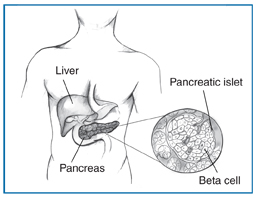
This condition is a disorder of the metabolic system. This is because it starts developing the moment the body cannot produce enough insulin or use it up effectively. Sometimes it can also be due to both of these scenarios. Where exactly is this insulin produced? The pancreas is responsible for its production. It has clusters of cells referred to as islets whose constituent beta cells make insulin.
Given that beta cells produce insulin, it is upon the body to use it up. However, it is also possible that these cells do not produce enough insulin. When this happens, one can either be diagnosed with pre diabetes or diabetes.
Pre diabetes refers to a condition where the average blood glucose levels are higher than normal but not too extreme to be diagnosed as diabetes. This is different from diabetes because the body’s cells still have some energy.
Effects of Diabetes
When an individual has had diabetes for a long time, the high blood glucose damages nerves and blood vessels. This can lead to complications like heart diseases, kidney diseases, stroke, blindness and even amputations in extreme cases. People with diabetes are also susceptible to other diseases, decrease and even loss of motion, depression, aging and pregnancy issues. What causes diabetes? While no one can pinpoint the definite cause of this condition, scientists attribute it to genetics and the environment.
Types of Diabetes
There are two principal kinds of diabetes; type 1 and type 2. The other common one only develops in pregnant women, and it is known as gestational diabetes. Even though type 1 and 2 are different, there are also people who exhibit symptoms of both of them.
Causes of Type 1 Diabetes
Type 1 diabetes results from low production of insulin. This happens when the beta cells are damaged normally by the body’s immune system. This makes it an autoimmune disease. The destruction can go on for several years although someone can start showing the symptoms after a very short period. Even though it attacks people of all ages, it is prevalent in children and young adults. This is actually the reason it also called juvenile diabetes or insulin-dependent diabetes mellitus.
Adults who are around 30 years of age also tend to develop a form of type 1 diabetes called latent autoimmune diabetes in adults. It develops slowly and even though those individuals still produce insulin, they will need insulin shots later on in life.
Heredity and Diabetes
A person’s genetic makeup has a very big role to play when it comes to developing type 1 diabetes. Parents pass down genes to their offspring, and it is these genes that influence susceptibility to type 1 diabetes. There are gene variants that are responsible for the formation of proteins called human leukocyte antigens (HLA). It is the proteins produced by HLA genes that dictate whether the body will turn against some cells thinking they are foreign objects or not. Some variants of this gene also determine whether a person will have type 1 diabetes.
HLA genes are not the only one responsible for type 1 diabetes. There are also many other risk genes and gene regions that cause the condition. Luckily, genetic testing can identify the types of HLA genes that one carries and tell if they can lead to diabetes. Scientists are also busy trying to figure out how genetic testing results can be used for prevention and treatment of type 1 diabetes.
Autoimmune Destruction of Beta Cells
 T cells attack and damage beta cells in type 1 diabetes. When this is happening, someone cannot easily tell and diagnosis only come in late when the cells have been destroyed, and the patient has to start using insulin shots. Studies have shown that the insulin itself can actually be a trigger for the attack on beta cells.
Environmental Factors
Foods, viruses, and toxins are also common environmental factors that cause type 1 diabetes. While the exact way in which they do this has not been established, some studies indicate that they trigger the autoimmune destruction of beta cells. Viruses can also cause type 1 diabetes although many people are also diagnosed with this condition after a viral infection.
Breastfeeding practices for infants are also believed to cause diabetes. For example, infants who breastfeed regularly have sufficient amounts of vitamin D and are less susceptible to type 1 diabetes. On the other hand, earlier exposure to cow’s milk and cereal proteins increases the susceptibility to type 1 diabetes.


Pre Diabetes Diet
The very idea of contracting type 2 diabetes is frightening. It becomes even more so if you believe that you really don’t have any control over whether or not you contract this disease. However, that sentiment could not be further from the truth. Make no mistake about it, the numbers are staggering. It is thought that in a matter of a few decades, one in three individuals will have type 2 diabetes.
Right now, there are millions of Americans walking around with the disease who don’t even know it yet. With that being said, a pre diabetes diet can change everything. The question is, how do you follow an effective pre diabetes diet and what steps do you need to take.
There are important key factors to following a diet that is designed specifically to help you keep type 2 diabetes at bay. Of course, these seven steps have to be incorporated with an effective exercise program in order to work their best. This means that you need to be getting both cardiovascular exercise and weight training routines in each week, preferably for at least 30 minutes a day 3 to 4 times weekly.
However, the biggest issue is to start moving so if you are not exercising at all, it is best to start out small and then gradually increase both the intensity and the amount of time that you spend doing it. Remember, a little exercise is better than none and you have to start somewhere. It is always okay to start with an easier and less stressful routine and then work your way up to something that is more effective over time.
Below are the seven key steps that you should be following if you want to create a diet that will help you keep your blood sugar levels low.
1) Stop drinking sugary drinks.
This is one of the biggest issues when it comes to staving off type 2 diabetes in America today. Sugar is added to all kinds of drinks. Unless you drink tea and coffee without sugar and the only other thing you drink is water, there is every chance that you are consuming far too much sugar from your drinks alone. This is true even if you have a habit of adding flavored powder to your water, as they contain high amounts of sugar. Even diet soda is not entirely safe. Your best bet is to become more aware of how much sugar is in your favorite drinks and then cut out everything that has excessive levels.
2) Portion control is key.
If your waistline is expanding, there is every chance that your blood sugar levels are going up as well. Learning to control your  portions effectively is one of the most important things you can do to live a healthier lifestyle, especially if you have a tendency to eat starchy foods such as white bread, potatoes and white rice. Choose your foods carefully, eat in moderation and be careful to measure accurate portions as opposed to overeating. All of this will help you keep your blood sugar levels in check.
3) Consume more fiber.
When you eat more fiber, you feel full so you eat less. More importantly, fiber helps to keep your digestive system active, thereby making it easier for the body to push waste and toxins through as opposed to allowing everything to stagnate. Fiber can be found in fruits and vegetables, as well as beans. If you are still not getting enough fiber, you can take an all natural fiber supplement as long as you make sure that sugar is not added to it.
4) Eat less fat.
If you are going to consume red meat, make sure that the cuts are lean. In addition, it is important to trim any fat away that does exist before you prepare it. White meat turkey and chicken without the skin are excellent options, as is fish. When you are preparing your meal, make sure that you do not add fat in by frying the food. Find more creative ways to prepare it. It will both taste better and be healthier for you.
5) Drink alcohol in moderation.
If you consume alcohol, it is important to keep the amount down to minimal levels. Men can typically consume 2 drinks per day while women must limit their alcohol intake to one drink. It is also important to keep in mind that portion control is important here as well. One drink typically consists of a 12 ounce can of beer or a five ounce glass of wine, but no more. Hard alcohol gives you even less wiggle room. Typically, one shot glass is all that you should consume.
6) Lean protein is the answer.
You already know that you should be consuming less fat, but when you consume lean protein instead of eating food with a high fat content, you give your body the nutrition that it needs without depriving yourself of anything and you simultaneously do what you can to keep your blood sugar levels from rising to potentially dangerous heights. Therefore, you should always look for protein from sources like fish, nuts or beans as opposed to turning to meat with a high fat content.
7) Hydrate your body with water.
One of the most important things in keeping your blood sugar levels where they belong is to stay properly hydrated. However, it is equally important that you do not consume sugary drinks, such as sports drinks, on a regular basis. Instead, make sure that you are drinking plenty of water. Generally speaking, it is important to drink approximately 8 to 10 eight ounce glasses of water each day. If you are especially active, you may want to drink more.
By following these steps, you can start to take control of your own health and stop worrying about type 2 diabetes. Granted, following all of these steps may be an adjustment in your lifestyle, but it is well worth the effort. Furthermore, the dividends that these changes can pay go far beyond any inconvenience that you may experience at first.
Lally Naturals Blood Sugar Support supplement is now available in two sizes.


Statin Users at Increased Risk of Developing Diabetes and Other Dangerous Conditions
According to a study conducted over a 10 year period and published in the May 2015 Journal of General Internal Medicine, statin users have double the risk of developing diabetes than individuals who didn’t take statins, a common medication prescribed to reduce bad cholesterol levels and lower the risk of heart problems. In addition, they an astounding 250 percent more likely to develop diabetes related complications, particularly eye, kidney, and nerve damage [1].
The study was conducted to “examine the association between statin use and new-onset diabetes, diabetic complications, and overweight/obesity in a cohort of healthy adults.” After comparing statin users and nonusers over the course of a decade, researchers determined that statin-users were more likely to be diagnosed with diabetes, diabetic complications, and obesity than similar nonuser in a group of healthy adults.
Of further concern, the research also indicates that statins have a number of potentially debilitating side effects, including impaired memory, fatigue, muscle aches and pain, depression, and stroke. According to Professor Ishak Mansi, who led the study and serves as a heart specialist at the University of Texas, “Our findings are alarming.” He went on to explain that this was the first time a correlation had been found between statin use and diabetes.
In regards to people diagnosed with heart disease, he said, “I am sceptical [sic] about the prescribing guidelines for people at lower risk… I am concerned about the long term effects on the huge population of healthy people on these drugs who continue for many years.”
According to Mansi, the study doesn’t definitively indicate that diabetes cause diabetes, nor do the results mean that someone taking statins should stop taking the medication [2]. In fact, Mansi refers to statins as a “cornerstone in treatment of cardiovascular diseases.” However, he does suggest that anyone taking statins should be aware of the risk and use this as motivation to give up smoking or losing weight, both of which have been shown to stress the heart.
Additional Health Risks Found
Unfortunately for statin users, this isn’t the first time studies have found clear evidence that statins are dangerous. According to an article published in the July 2015 issue of the American Journal of Physiology – Cell Physiology, stains “deactivate” the stem cells in the body that are response for cellular repairs and side effects may include cataracts, loss of memory, muscle aches and pain, liver dysfunction, and fatigue [3].
Professor Reza Izadpanah, a stem cell biologist at Tulane University in New Orleans and lead author of the above study also reported “Our study shows statins may speed up the aging process.”
Yet Statins Continue to be Prescribed
Despite the fact that statins have been found to increase a user’s risk of developing a variety of dangerous health conditions, they are prescribed to approximately 100 million individuals all over the world every year. Why? For pharmaceutical companies, statins can generate tens of billions of dollars in a single year [3].
In today’s world, our health is going from bad to worse, yet doctors continue to write prescriptions without regard to potential negative effects. If we question the possibility of side effects, we’re often told to “give it time” or prescribed another type of medication in the same family and encouraged to “hang in there and see how this one works.”
It goes without saying that, as people, we deserve better than this. If you are taking statins and develop diabetes, natural blood sugar supplements can help your condition stay under control.
[1] http://www.newstarget.com/2016-02-04-statins-double-the-risk-of-developing-diabetes-and-diabetic-complications-according-to-ten-year-long-study.html c
[2] http://www.research.va.gov/currents/spring2015/spring2015-19.cfm
[3] http://www.naturalnews.com/051363_statin_drugs_accelerated_aging_side_effects.html#


8 Interesting Facts About Fluoride
Here are 8 interesting facts about flouride and flouride toxicity.
Fact #1: The Majority of Developed Countries Do Not Add Fluoride to Their Water Supply.
Declared to be “one of the top 10 public health achievements of the 20th century” by United States health authorities, adding fluoride to the general water supply is practiced throughout the country. However, 97% of European countries do not have fluoride added their water. More people in the U.S. drink fluoridated water than in any other part of the world combined.
Fact #2: Tooth Decay Does Not Happen Less in Countries With Fluoridated Water.
Many officials claim fluoridated water is the reason for the decline in tooth decay in the U.S. over the past 60 years. However, other countries that do not add fluoride to their water supplies have also seen the same decline in tooth decay occurrences. According to the World Health Organization, there is no identifiable difference in the level of tooth decay in countries that add fluoride and those that do not.
Fact #3: Fluoride Effects Much More Than Just Teeth.
Although fluoride supporters have long claimed the advantages of its use, according to Dr. John Doull, a well-known toxicologist who chaired the committee that reviewed fluoride with the National Academy of Science, “we have much less information than we should, considering how long it has been going on.” Doull’s committee went on to publish an intense review of the level of possible toxicity of fluoride use and concluded that adverse effects may be seen in the bones, thyroid gland, brain, pineal gland, and blood sugar levels. The committee challenged scientists to begin to review whether issues such as low intelligence, thyroid disease, diabetes, and the like, were aggravated by fluoridation.
Fact #4: Using Fluoride is Not an Extension of Nature.
Fluoride supports often say that due to its occurrence in nature it is safe to use. However, a notable fact is that many substances occur naturally such as arsenic and lithium. Occurring in nature does not make a substance safe. Moreover, artificially added fluoride is much higher than naturally occurring fluoride levels.
It’s also important to know from where the fluoride added to the water supply comes. It’s gathered from implements used to control harmful air pollution in the phosphate fertilizer industry. This corrosive acid is a hazardous air pollutant and has been known to cause cancer and other damaging conditions.
Fact #5: 40% of Teenagers in the U.S. Show Visible Signs of Being Over Exposed to Fluoride.
According to the CDC, 40% of teenagers in the U.S. have a condition known as dental fluorosis, a condition where fluoride over-exposure interferes with the natural formation of the teeth. It presents as cloudy, white spots or streaks on the teeth and, in its most severe form, brown and stained areas on the surface of the teeth.
Fact #6: There Are No Benefits for Infants to Use Fluoride, Only Risks.
Studies show that infants exposed to fluoride through the water supply when mixed with baby formula, are more likely to develop signs of dental fluorosis. Therefore, most doctors and pediatricians recommend using water that does not contain fluoride.
Fact #7: The FDA Has Never Approved the Use of Fluoride Supplements.
The FDA has received many applications for the approval of the use of fluoride for the prevention of tooth decay. All have been repeatedly rejected. Therefore, potentially toxic levels of a prescription-strength drug is being added to the water supply without the approval of the FDA.
Fact #8: The Only Medication Added to the Public Water Supply is Fluoride.
Chlorine is added to the water supply to kill bacteria and make it safe to drink. The addition of fluoride is, supposedly, to prevent tooth decay, a disease not caused by drinking water. Fluoride is the only substance purposely added to the water supply that does not treat the water itself. It’s purpose is to work as any other medication, to treat a disease. The FDA has classified fluoride as a medication since it is not a nutrient.


Stem Cell Diabetes Treatment
Stem cell diabetes treatment is a rapidly growing field that holds many promises for treating both child and adult diabetes.
What Are Stem Cells?
Stems cells, which are biological cells, are found in all multi-cellular organisms. These cells can divide and differentiate into cell types that are specialized. Stem cells are able to renew and produce additional similar cells.
Humans have two types of stem cells:
Embryonic Stem Cells – which come from embryonic cells.
Adult Stem Cells – which are found in bone marrow, fat cells, and blood.
History of Stem Cell Therapy
The term “stem cell” was first proposed for scientific use by Alexander Maksimov in 1908.
Stem cell therapy has been around for over 25 years, starting with bone marrow and umbilical-cord blood stem cells to treat patients with cancer, spinal cord injuries, heart damage and neurological disorders. This rapidly developing field requires the skills of cell biologists, geneticists, physicists and many other dedicated professionals to move forward.
The first confirmed reversal of autoimmune-caused Type 1 diabetes in an animal experiment was reported in 2009 by Yong Zhao and his colleagues.
The safety and positive results of stem cell therapy have now been proven in over 1500 clinical trials in the United States and all over the world.
Stem Cell Treatment Advantages
- Uses the latest technologies
- Same day outpatient treatment (usually 5 – 8 hours)
- Uses a patient’s own stem cells
- Local or no anesthesia is needed
- There are very limited side effects
- Has a higher potential for regeneration of nerves, tissues and organs
- Higher age groups are candidates for treatment
Stem Cell Treatment Steps
- 10 -20 ml of blood is collected from an upper limb.
- Fat collection is carried out from the lower stomach or buttocks (a mini-liposuction technique is employed). About 60 ml is needed.
- Lipoaspirate is used to isolate the stem cells.
- The blood is placed in a centrifuge and spun, separating the blood components. This will result in Platelet Rich Plasma (PRP), which are platelets, which include growth factors.
- The stem cells are placed in a specialized machine, which activates the cells by using three light frequencies simultaneously.
- The activated stem cells are now given via an intravenous drip (IV) to the patient.
Where to Get Stem Cell Treatment
There are now more clinics and treatment centers that offer Stem Cell Treatment for Diabetes. In addition, many Naturopathic Physicians now offer this treatment option as an outpatient service.
Here is an interview (2 parts) with Naturopathic Physician Dr. Hank Sloan of The Genesis Center in Cumming, GA. He discusses stem cell treatment and applications.


Find Out How Does Exercise Affect Diabetes
Although diabetes is a difficult medical condition for anyone to handle it can be controlled. One of the ways how it can be handled comes from a good exercise plan. When asking how does exercise affect diabetes it helps to keep these factors in mind.
High blood glucose levels caused by diabetes can cause damages to organs. With exercise the body’s muscles can take in much of the body’s glucose. As a result of this the organs will not be pressured by too much. This can easily reduce the impact of diabetes on the body.
One of the most common ailments diabetics can have is heart disease. This is primarily due to the dependence the body has on insulin. When exercise is used weight can be lost so that blood pressure levels can be cut. After this occurs the risk that one has for heart disease will be reduced.
People with diabetes can end up having less energy than other people can. With this in mind the body will not be able to properly get its nutritional needs. Important nutrients for the body can be lost. With exercise endurance levels in the body can increase thus helping to get more energy created. As a result the nutritional needs that one has will be more likely to be met.
Exercise can be used to affect diabetes in many positive ways. Exercise can get one’s blood glucose to be properly managed. With greater weight control blood pressure and the need for insulin injections can be reduced.