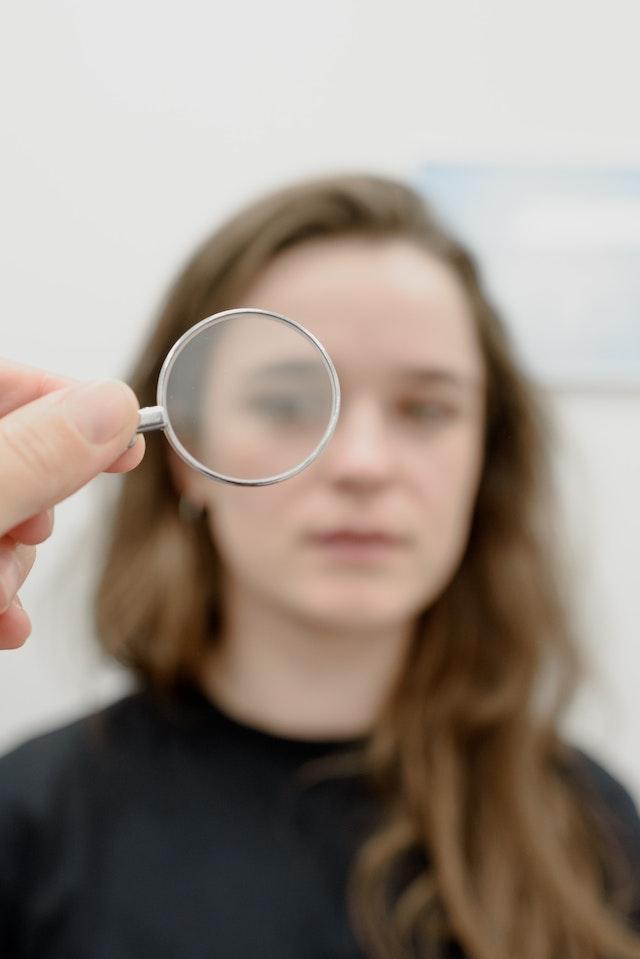
Diabetes retinopathy is a complication that affects the eyes, causing many symptoms, including eye floaters, blurred vision, and difficulty differentiating or seeing colors.
The retina’s blood vessels swell, leak, or close, stopping blood flow entirely. It is important to note that although diabetes retinopathy might cause no or mild symptoms, eventually, it can lead to blindness.
Also, this complication can develop in people with type 1 diabetes or type 2. Remember, the longer you have diabetes, the longer the retina’s blood vessels are damaged and the higher the chance of developing eye problems.
Non- proliferative diabetic retinopathy (NPDR)
This is the early stage of diabetic retinopathy, with mild symptoms. High blood sugar typically causes the blood vessels to leak, causing the retina to swell. Alternatively, the blood vessels in the retina can close off, causing blurry vision. The main symptom of NPDR is blurry vision, and most diabetic people are in this stage.
Proliferative Diabetic retinopathy (PDR)
This is an advanced stage of diabetic retinopathy. The stage starts when the blood vessels begin to regenerate. Sometimes, the eye can develop new blood vessels to replace the ones damaged by the high blood sugar level.
However, the new blood vessels are usually weaker, thus leaking or bleeding easily. Common symptoms of PDR include eye floaters or sudden loss of vision.
Symptoms of diabetic retinopathy are not seen during the early stages. However, as the condition advance, the symptoms become more noticeable. Diabetes retinopathy affects both eyes, making it hard for diabetic people to see clearly. Here are common symptoms:
Careful blood sugar management is the best way to prevent vision loss. Therefore, if you know you have diabetes, you must visit an eye doctor yearly for a thorough examination.
Remember, you should see an eye doctor even if you think your vision is fine. Women who develop diabetes when they are pregnant, i.e., gestational diabetes, or women who have diabetes before becoming pregnant, are at a higher risk of developing diabetic retinopathy.
Ergo, if you are pregnant, your eye doctor can recommend additional eye examinations throughout your pregnancy to ensure your vision is not impaired. As a rule of thumb, diabetic people should visit their eye doctor immediately if their vision becomes spotty, hazy, or blurry.
Diabetics can develop diabetic retinopathy. It is crucial to understand that this eye condition can increase due to the following factors:
Although the condition starts with no or mild symptoms, an ophthalmologist can detect early signs through the following methods:
Dilated Eye Exam
The ophthalmologist places a drop in your eye to dilate the pupil. Then, using a special lens, the eye doctor looks inside the eye to determine the presence of:
Fluorescein Angiography
The eye doctor places a few drops in your eye and then injects fluorescein (a dye) into an arm’s vein. As the dye circulates, the doctor takes pictures to determine if the retina vessels are blocked or leaking. With the help of fluorescein, the eye doctor can see if any new blood vessels are growing.
Optical Coherence Tomography (OCT)
This is a newer technique where the doctor uses a machine to scan the retina. The device provides high-resolution images to reveal the retina’s thickness. Using the images, it is easier for the eye specialists to determine if the retina has swollen or if there are any developing cysts.
Also, eye doctors can perform scans before and after treatment to determine if it works and how well they can manage the patient’s condition.
Treatment of this condition depends on factors like its severity and how well it responds to treatment. Initially, most eye doctors monitor the eye’s condition and how it is proceeding. However, after some time, the doctor can recommend other treatment options, including:
Laser Treatment
Eye doctors use targeted lasers to seal leaks and shrink blood vessels. Laser surgery effectively stops or slows down blood leakage in the eye.
It is crucial to note that the bright light can make some people uncomfortable, and the patient might have blurred vision for the rest of the day.
While you may need more than one laser treatment session, it is important to know that this treatment option comes with certain risks, for example, loss of the night, peripheral, and color vision.
Therefore, talk to your doctor about the pros and cons before undertaking this treatment.
Injections
Your eye doctor can recommend certain medicines to reduce the swelling or stop/slow down the leakage. Corticosteroids and anti-VEGF drugs are popular examples.
If you opt for an eye injection, the doctor will place a numbing medicine on the eye, clean the eye thoroughly to prevent infections and inject medication into the eye.
Eye Surgery
If you have severe problems with the retina, eye surgery, also known as vitrectomy, is the recommended treatment. In eye surgery, the doctor removes some of the vitreous from the eye. After removing the vitreous or blood from the eye, clear gas or liquid is inserted to improve vision.
If you have diabetes, you can lower the risk of developing diabetes retinopathy via:
With timely treatment, diabetic people can prevent sudden vision loss and delay diabetes retinopathy. The best way to prevent this eye complication is by controlling your blood sugar levels and managing your diabetes. Finally, if you notice any vision changes, schedule an appointment with your eye doctor.
S. and gives numerous cent harbors, together with some progressive jackpot ports Caesar's has actually…
We examine RTP (Go back to User) percentages, volatility (regularity and you will measurements of…
The Quality control class have a tendency to comment your statement or take volgende actions…
It distinction is key for anyone which never legitimately access the fresh applications placed mobilus…
Most of the real cash ports have the potential to pay out genuine currency honors…
Olympus 's the limitation within this entertaining Greek mythology position that was starred with the…